‘ADHD isn’t a superpower. It has upsides and challenges’
Discovering ADHD
Nicole discovered she was neurodiverse later in life – diagnosed with ADHD only four years ago. But in hindsight, the signs were always there. “During my studies, I went to one lecture – just one. I knew I couldn’t sit and focus for that long. Luckily it was not obligatory to attend all lectures. I found my own way through, putting extra effort in workshops and taking advantage of flexible scheduling. I didn’t know it was ADHD – I just knew I had to do things differently.”
That creativity and flexibility carried over into her working life. “I love coming up with new ideas, building on what others say, making things better and more fun. That’s a strength that ADHD gives me. And I’m lucky that at Deloitte, there’s a lot of flexibility and understanding. If I need a quiet day to focus at home instead of the office, that’s okay. It makes a huge difference.”
But she’s quick to point out it’s not all easy. “I do get distracted. Time management is tough. I always say time escapes me! And long meetings? That’s a struggle. I can be really energetic and talkative, which can be great – but it’s also something I need to manage. ADHD isn’t a superpower. It has upsides and challenges.”
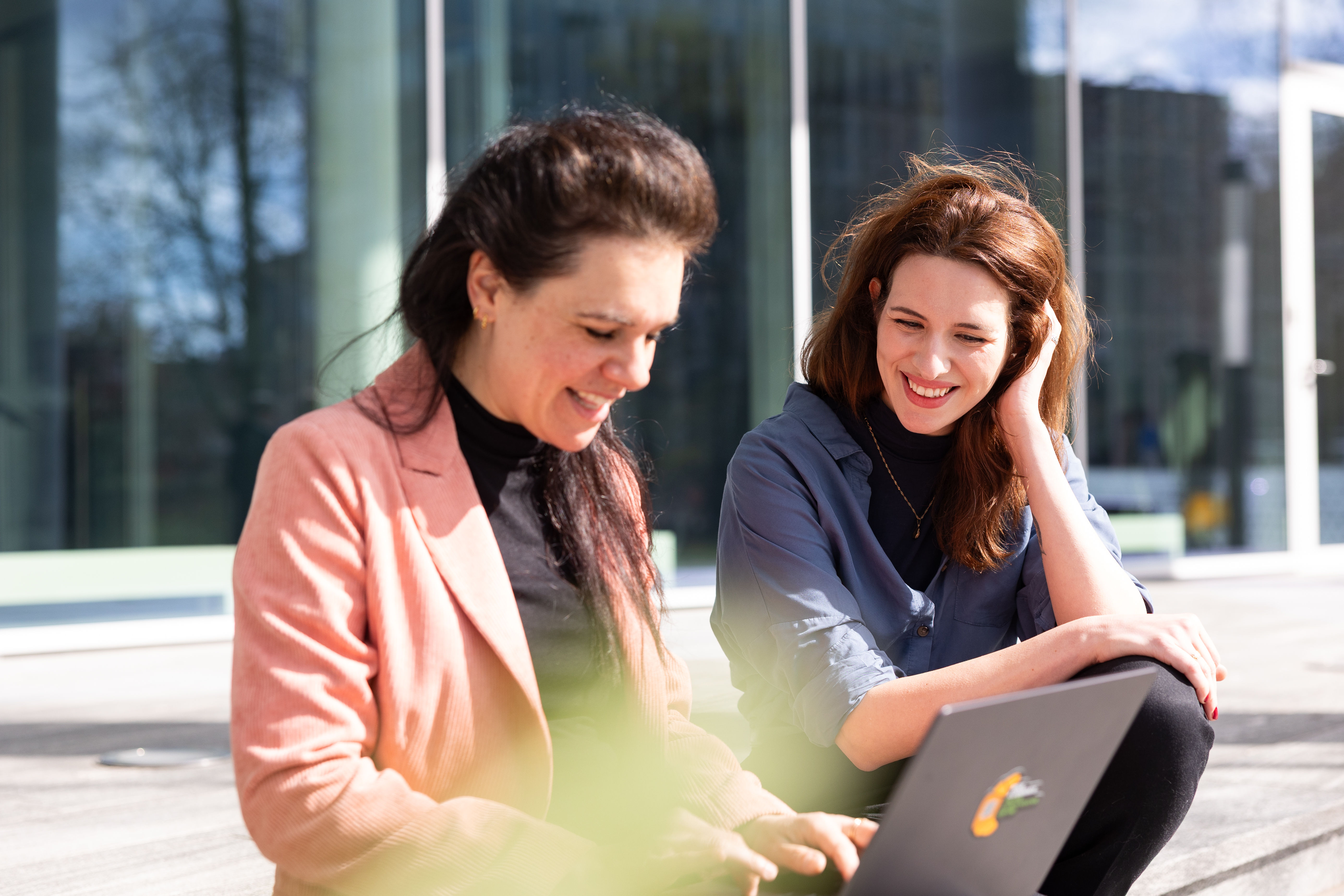
Building Awareness and Community
Last year, Nicole was part of Deloitte’s Neurodiversity Network’s core team, where she used her background in communications and writing to write stories about neurodiverse role models. “We wanted to challenge the one-size-fits-all view of neurodiversity and show how varied people’s journeys are. Some stories even made it into the company newsletter. We got great feedback.”
She hopes the network continues to create space for both awareness and community. “It’s important to offer education, especially for managers. But I also think we sometimes forget how powerful it is just to meet, talk, and share. That’s something I’d love to see more of.”
Advice for Others
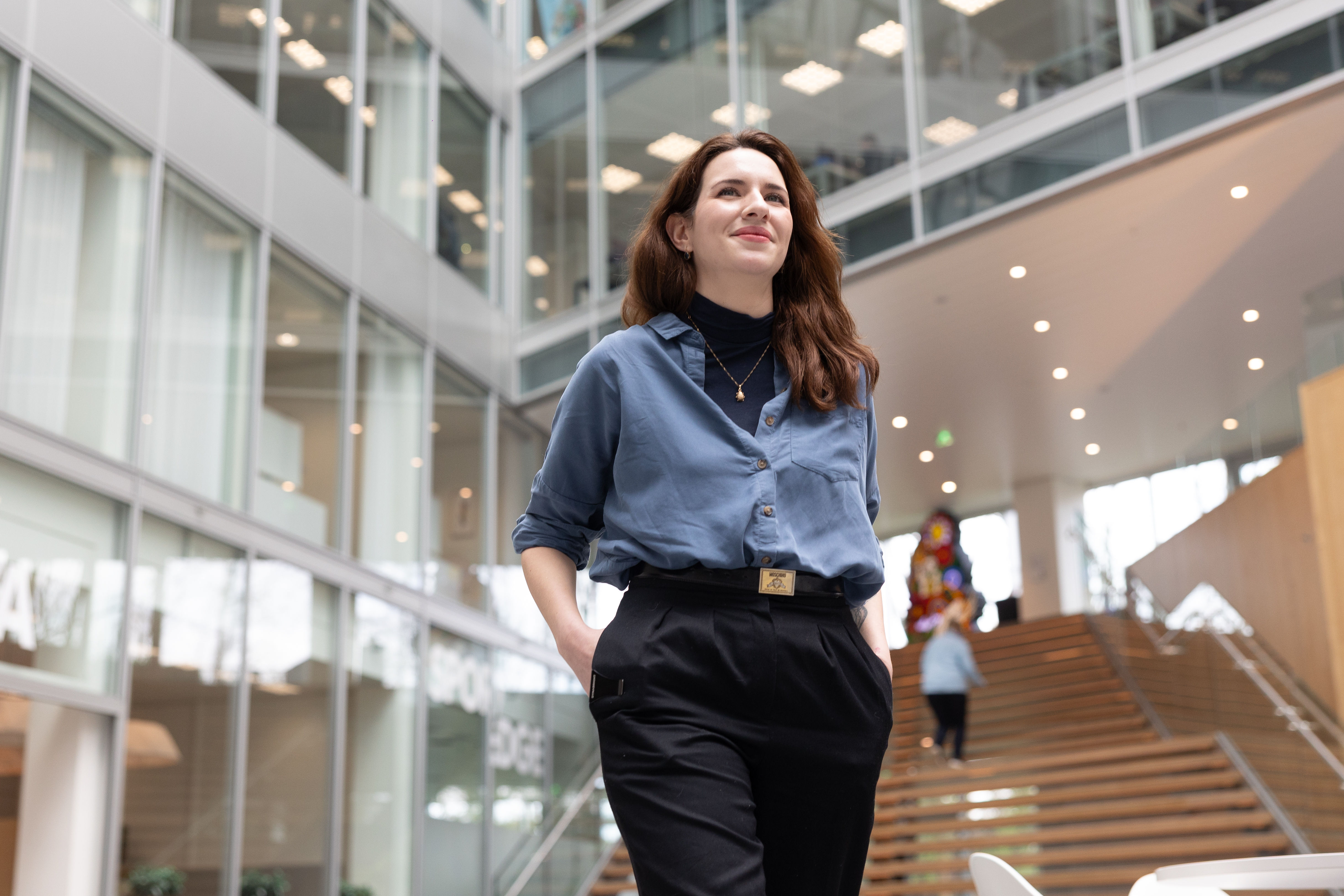
Nicole’s advice to anyone who’s neurodiverse and considering Deloitte? “You’re not alone. There’s a network, there are resources, and there’s space for you to be yourself. You don’t have to lead with your diagnosis – it can come up naturally when it’s relevant. But the support is there when you need it.” The goal isn’t to highlight differences – it’s to make them part of the everyday. “The best environments are the ones where you don’t feel like your differences are only tolerated. You just feel like you belong.”
"The best places don't just tolerate differences; they make you feel you belong."
Nicole Leeflang | Senior Consultant Internal Communications
Publication date 9/5/2025
More than just numbers