Participating in the Future of Energy Lunch Lectures
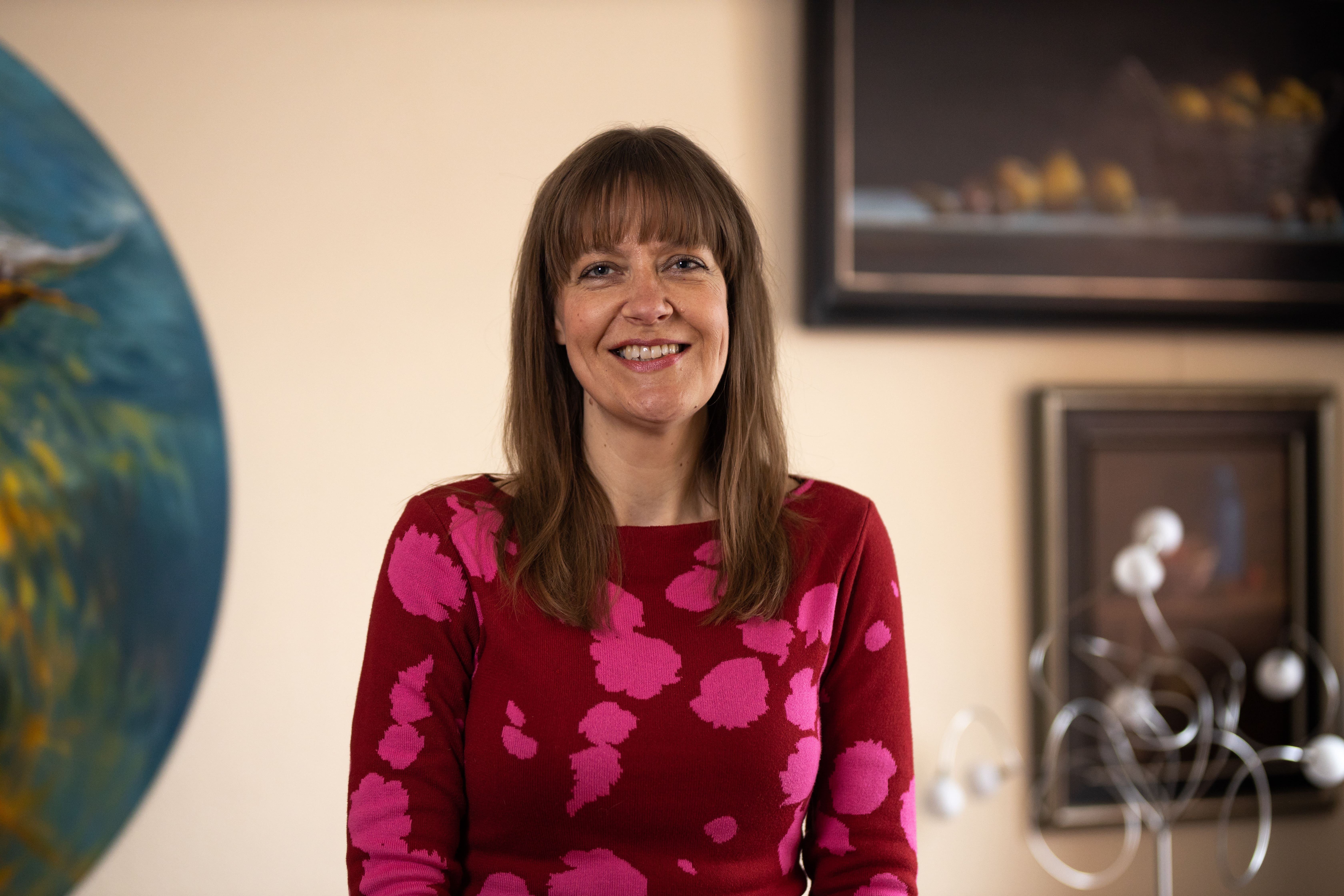
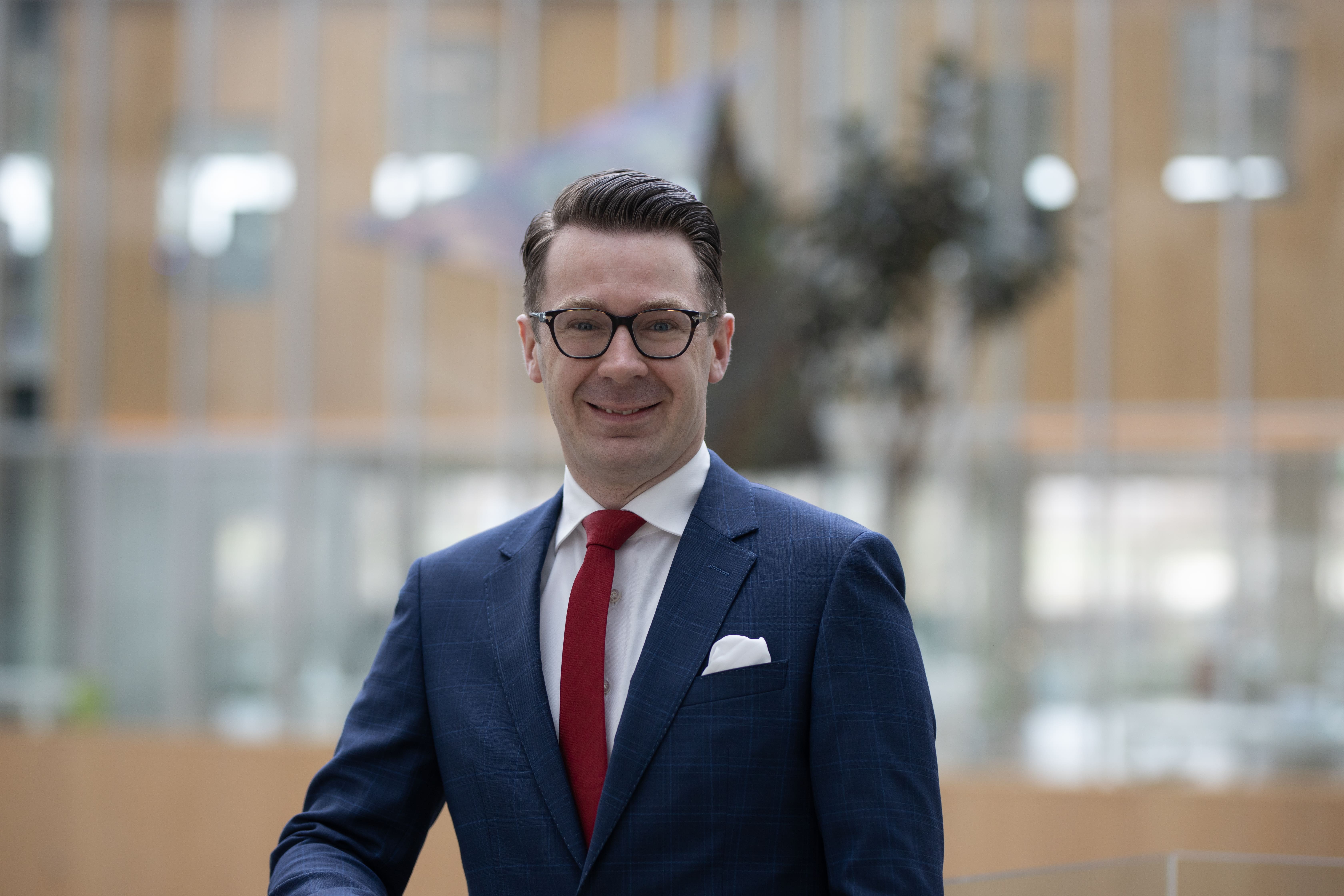
Rebecca Visser en Oscar Kraan are both actively involved in Deloitte’s Future of Energy program.
The Future of Energy is a hot topic at many companies that are increasingly exploring the energy transition. ‘For many of our clients it is an actual transition that requires a change in their business model’, Rebecca says. ‘That is why it’s a key topic at Deloitte.’ Last year, Deloitte published a global flagship report on the various Future of Energy scenarios. Deloitte Netherlands was one of the initiators. Some Future of Energy publications are in collaboration with clients and aimed at specific industries. One of those is the joint publication with Shell on the decarbonisation of “hard to abate” sectors including Shipping and Road Freight. ‘These are well-documented studies that enhance our eminence in the market and that we like to discuss with our clients’, Rebecca says.
Sustainability on the Rise
Clients are not the only sparring partners – an increasing number of students also feels responsible for sustainability. Universities are studying the energy transition in various fields. The Lunch Lectures allow Oscar and Rebecca to have interesting discussions with students. ‘Students have many innovative ideas that help us expand our horizon. In addition, we will need many more people to help us offer services in the field of the Future of Energy, so there is a recruitment angle as well’, Rebecca adds. Oscar: ‘It’s interesting to have our ideas assessed by the new generation, who will be the next “Future of Energy” leaders. Then again, for students the “business side of the challenge” can be interesting. They learn about the theories in university, but during the Lunch Lectures they get to hear about the actual issues that companies are struggling with, and how they can respond to the energy transition. For students, that is a unique opportunity.’
The Lunch Lectures
For the Lunch Lectures Rebecca and Oscar focus on universities that have their own Energy Clubs, such as the Delft Energy Club and the Erasmus Sustainability Hub. ‘Students can register for our Future of Energy community by means of a QR code on our posters. The community helps them to stay informed about developments within Deloitte in this field’, Rebecca explains. Currently, these are online sessions. In-person lectures will start again as soon as this is allowed. The Lectures render in-depth questions, for instance on nuclear energy in the Netherlands and the role of oil and gas companies in the energy transition. ‘And also, what the role of biomass will be, considering the balance between food and energy production’, Oscar says. ‘Or whether hydrogen is a hype and if it will play a substantial role in the Dutch energy transition. NortH2, which is the biggest green hydrogen project in Europe, is an excellent example of such a large scale project. Deloitte is one of the parties involved.’
Student Interests
‘On the one hand, students want to hear our views on the Future of Energy. On the other hand, they want to find out what it’s like to work as an energy consultant at Deloitte’, Oscar says. ‘Many students don’t know what sort of issues companies are struggling with, and how Deloitte can help them. Often, they don’t know the width and depth of our expertise and how Deloitte stands out from other parties when it comes to the Future of Energy. So we tell them about our market research, our center of excellence, and our impactful projects with clients.’ The Future of Energy impacts clients as well as the economy, society, and employment. ‘The energy transition not only requires a larger workforce, but also expertise and capabilities in different fields’, Rebecca explains. ‘The entire asset-heavy industry is involved in digitisation and innovation. Incumbants are connecting with start-ups and scale-ups that are specialised in new technologies. This appeals to students, who are already working on innovative projects. It’s interesting to learn about their views and what worries them.’
Our contribution
Barack Obama once tweeted: ‘This is the first generation to feel the effect of climate change and the last generation who can do something about it’. Oscar fully supports this view. ‘I hope that at the end of my career, I will have contributed to carbon neutrality in 2050. The goals that are being set, are increasingly ambitious. The generation that participates in the Lunch Lectures will contribute largely to the most complicated part of the energy transition. We depend on them to succeed, so I hope we will inspire many students to devote their career to this goal.’
Publication date 8/4/2021
Working on a global level: the power of a dynamic Cloud DevOps team
